THE AGING PROCESS We get old because we are not disposing of all the internally generated wastes and toxins, and accumulate the leftovers within our body. For our body to function and to maintain body temperature, we burn nutrients within our cells. The main ingredients of all foods, expensive or inexpensive, gourmet or junk, vegetable or meat, alkaline or acid, are either carbohydrates, proteins or fats. And they are nothing but the combinations of four elements: carbon, nitrogen, hydrogen and oxygen. After these nutrients are burnt (oxidized) in the cells, they all turn into organic acids: carbonic acids, uric acids, lactic acids, fatty acids, ammonia, etc. Fats are acidic even before oxidation. The Chinese word for oxygen is written with two characters, "sahn-so". They literally mean "acid root". These acidic wastes and toxins are disposed out of the body in liquid form, as urine or perspiration, after first being dissolved into the blood. Every element within our body was place there by the blood and can come out of there by first being dissolved into the blood and then being carried out. If anyone loses ten pounds by any dietary means, it can be said that most of that ten pounds came out through the urine. Unfortunately, due to our life styles and environments (i.e., too much ingestion, overwork, over indulgence, not enough rest, staying up late, not enough exercise, inadequate water consumption, smoking, pollution, low alkaline diet etc.) the body cannot get rid of all the acidic waste products that it generates within. We accumulate these left over waste products somewhere within our body. This is the process of getting old. To make matters worse, mixed with these organic acids are inorganic acid minerals such as chlorine, phosphor, and sulfur that come in with most of our acidic foods: meats, grains and root crops. We don't eat enough of alkaline diet (anti-aging) foods such as fruits and vegetables that contain inorganic alkaline minerals: calcium, magnesium, sodium, potassium, etc. Although the amounts of inorganic minerals are small compared with the organic acid wastes that the body produces, they contribute more towards the acid side. However, one important thing to note is that even if one does not eat any acidic food at all, as long as carbohydrates and proteins are consumed, the body produces much more acidic wastes than the inorganic alkaline minerals can counteract. We are born with high alkaline blood pH of 7.44. As we get older, the blood pH drops down to 7.35 or below. The blood pH referred to here is the artery blood pH. The difference of 0.09 in pH value seems very small but since pH is logarithmic, the amount of hydroxyl ion (OH-) in 7.44 pH is 1.23 times that of 7.35 pH, because 10=1.2303. The hydroxyl ion is an oxygen donor while the hydrogen ion (H+) is an oxygen taker. In other words, young people carry 23% more of the oxygen donors in their blood than older people. No wonder they are more energetic. Uric acid is nearly insoluble in water, alcohol, and ether, but soluble in solutions of alkaline salts. In other words, it becomes soluble in alkaline water. Arthritis and gout are caused by uric acid deposited between the joints, non-dissolved due to the low alkalinity of an older person's blood. Drinking acid free alkaline water will gradually elevate one's blood pH and the gout will disappear naturally. (More about this acid free alkaline water later) As we live with poor waste disposal systems for a long period of time, some parts of our body build up more acids than others, and they can clog up capillary vessels around those acidic areas. This causes some body organs to function in a sluggish manner. We feel tired and run down sometimes for no reason whatsoever, and adult diseases such as high blood pressure, arthritis, diabetes, asthma, allergies, etc. start to set in WE SIMPLY ACCEPT THESE PHENOMENA AS "GETTING OLD." |
||||
Anti aging is possible. The body is designed to heal and repair itself with the aid of proper nutrition. The body requires two vital materials to complete this - energy and raw material. These two requirements are needed to maintain the cell's proper functions. The body is made up of cells and all cells are living. All living things need food. Each cell needs the proper food to keep it strong. Cells die and replace themselves at various intervals. To understand anti-aging, understand that when a cell replaces itself it has three options that it can replace itself with: 1. A cell may replace itself with a weaker cell each time. A cell will do this if it hasn't had the right nutritional foods available to it. This process is called degeneration. 2. A cell can replace itself with the same strength cell. This means the body doesn't improve. That is, you have a chronic condition. 3. The cell is capable of replacing itself with a stronger and better cell. This will happen only if the cell has an abundance of energy and the right raw materials. This process is called regeneration. It is anti-aging. Many of the foods that we have been told are good for us in actual fact may cause degeneration. This can be shown by muscle testing. Your kinesiologist can supply you with information on which foods to avoid to stop degeneration, and which foods to buy to aid regeneration and anti-aging. Certain Foods Blamed For Faster Aging It has often been said that "you are what you eat" but where aging is concerned, eating foods with loads of preservatives, may have the opposite affect. Many people are interested in antiaging and food play a key role in that quest. Among the consumables said to cause cell degeneration, meaning the replicated cells are weaker than the original cells, are those with high levels of carbohydrates. Others include sugar, chocolate, preserved meat, chips, French fries and soy products, among many more. An antiaging diet also looks at foods with a high concentration of heavy metals, which is thought to speed the aging process. Processed foods, artificial coloring, deep fried foods and monosodium glutamates (MSG) only add speed to the process; with many of those with bad nutrition sometimes look older than they really are.
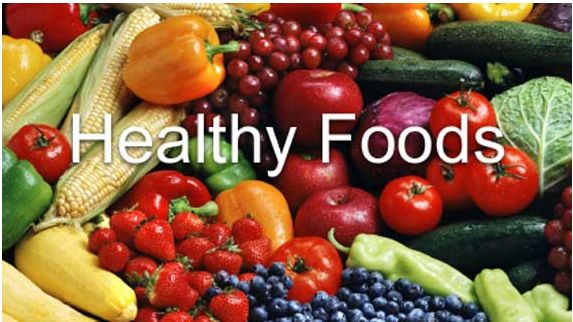
Food such as raw nuts, green leafy vegetables, seeds, seaweed, barley greens and olive oil are said to help with regeneration, which is when replicated cells are stronger than the dead ones being replaced. An anti-aging diet is also high on antioxidants, foods with omega 3 fatty acids and fruit and vegetables. Since, however, the total intake of food for this type diet will be lower, vitamin supplements are recommended. Additionally, with today's farming techniques, not all grown products contain the natural minerals and supplements of B vitamins, Vitamin A and C as well as folic acid are often needed to add to the lowered amounts in food. Using organic vegetables where available is recommended in an antiaging diet. There are less chemical residues and often there are more minerals and vitami THE LONGEVITY GENE A recent research published from Albert Einstein College of Medicine of Yeshiva University has discovered that the so-called “longevity Gene” has the potential to reduce the effect of many neurological degenerative illnesses. There are medicines being developed to protect against Alzheimer’s disease based on the effect of the longevity gene. It was published in the 13th edition January 2010, “Journal of the American Medical Association”. According to Richard B. Lipton, M.D., the Lotti and Bernard Benson Faculty Scholar in Alzheimer’s disease as well as professor and vice chair in the Saul R. Korey Department of Neurology at Einstein, says that research has until now only focused on factors leading to Alzheimer’s disease and those preventing the pathologies. For instance APOE ε4 is a particular variant related to cholesterol metabolism which tends to increase the risk of Alzheimer’s disease. Dr. Lipton is now taking an opposite angle in the research of Alzheimer’s disease. This implied that instead of solely identifying risk factor of age-related diseases such as memory decline, dementia and Alzheimer’s disease, protective factors should also be sought. A previous research conducted in 2003 by Dr. Lipton and his team, found a ‘longevity gene’ known as cholesteryl ester transfer protein (CETP) which is highly common amidst Ashkenazi Jews. It was found that the CETP gene had a positive effect; it augmented the level of blood for HDL (high-density lipoprotein). HDL is often simply referred to as good cholesterol. The result of the CETP gene was that an above average of HDL and LDL (low-density lipoprotein) particles was present It was hypothesized that the CETP longevity gene had a relationship with a more stable cognitive mind such as preventing decline cognition associated with old age. To gather sufficient proof, information from 523 participants from the Einstein Aging Study was examined. It is a study that is being funded by the federal and consists of a diverse population of elders having lived in Bronx for over 25 years. All of the 523 participants were 70 years or above and were cognitively healthy. A blood sample of each participant was taken to be analysed so that the variant of CETP gene could be determine. The sample was scrutinized on an average every 4 years to evaluate their cognitive conditions, and to find out whether there was an incident of dementia or Alzheimer’s disease. The lead author of the paper, Amy E. Sanders, M.D., assistant professor in the Saul R. Korey Department of Neurology at Einstein said that participant who had two copies of the ‘longevity gene’ CETP had a lesser risk of cognitive decline as well as Alzheimer’s disease and dementia. In more accurate term, individual having two copies of the CETP variant had as much as 70 percent less risk to suffer from Alzheimer’s disease in contrast to those having no copies of the gene variant. Medicine aimed to duplicate the effect of CETP protein is already in development according to Dr. Lipton. This will likely constitute a treatment or even a cure against aging-related illnesses such as Alzheimer’s disease.
THE FOUNTAIN OF YOUTH? The search for eternal youth and beauty has reached back thousands of years and
is likely to continue. In the past, cosmetic companies have looked to plants and
flowers as the basis for a variety of cosmetic products. In recent years,
cosmetic and plastic surgeons have relied on surgical techniques to slow and
reverse the aging process - for a time. However, the future holds unknown
opportunities in anti-aging technologies because the development of stem cell
research in anti-aging techniques and procedures. |
Most recommendations for an antiaging diet encourage the intake of saturated fats be about ten percent of the total energy, even though the American Heart Association suggests about 30 percent. This would be about triple the amount eaten by groups with the lowest frequency of heart disease. A major part of suggested antiaging diets involve eating less and exercising more, and consuming less high calorie junk food and even a lot of fast foods. Some vegetarians insist that by avoiding eating animal fat has a great benefit to slow the aging process and is an essential part of any antiaging diet.
AntiAging Development AntioxidantsIn February 2004, results of a clinical trial of various antioxidants were presented at the annual meeting of the American Academy of Dermatology.The results rank-ordered the six topical antioxidants tested from most effective on down. Heading the list was idebenone, followed by vitamin C, vitamin E, coenzyme Q10, kinetin, and alpha-lipoic acid. Topical antioxidants have been shown to disarm free radicals and prevent oxidative damage to skin cells. Since 2004, only one antioxidant has been found that may displace another from the 2004 list. Studies on the coffeeberry as a topical antioxidant were reported to the American Academy of Dermatology at its 2006 annual meeting. However it wasn’t until June of 2007 that a skin treatment line using coffeeberry was launched. The press release from Steifel Labs stated, “Revaléskin can improve the skin's appearance so quickly because its primary ingredient, CoffeeBerry, is abundant in four powerful polyphenol antioxidants which help prevent and reduce superficial damage from sun exposure and free radicals.”
AntiAging Development New Research on RetinoidsUntil mid-2007, your dermatologist would likely have told you that only the Retin-A form of vitamin A was an effective chemical exfoliator.However a study was reported in the May 2007 issue of The Archives of Dermatology which found that a 0.4% retinol lotion applied three times a week for 24 weeks yielded a significant reduction in skin wrinkles. Even more surprising was that the average age of the participants was 87! If you prefer a gentler approach or cannot get a prescription for Retin-A, OTC ingredients to look for are vitamin A derivatives called retinoids and including retinol, retinal and retinyl palmitate.
Food for Healthy AgingFor maximum benefits, experts say, you should load up on a variety of healthy foods. "We know about antioxidants and anti-inflammatory activities of foods, but we suspect there could be so much more going on beyond attacking free radicals that promote health and ward off disease," says Moores. Moores suggests adding these foods and beverages into your eating plan for good health and to reduce the signs of aging:
In addition, Perricone suggests these 10 "super-foods," chosen because of their anti- inflammatory activity:
|
|||